Roadway engineering in Sheffield covers the full lifecycle of transport infrastructure, from initial ground investigation and pavement design through to construction supervision and long-term maintenance strategies. The category brings together geotechnical assessment, structural design of flexible and rigid pavements, drainage integration, and subgrade stabilisation, all tailored to the city's distinctive topography and ground conditions. In a city built across seven hills and dissected by five river valleys, the performance of any road depends directly on how well the foundation and pavement layers are understood and engineered. Getting this right reduces whole-life costs, minimises disruptive reactive maintenance, and ensures safe, reliable access across Sheffield's residential, commercial, and industrial areas.
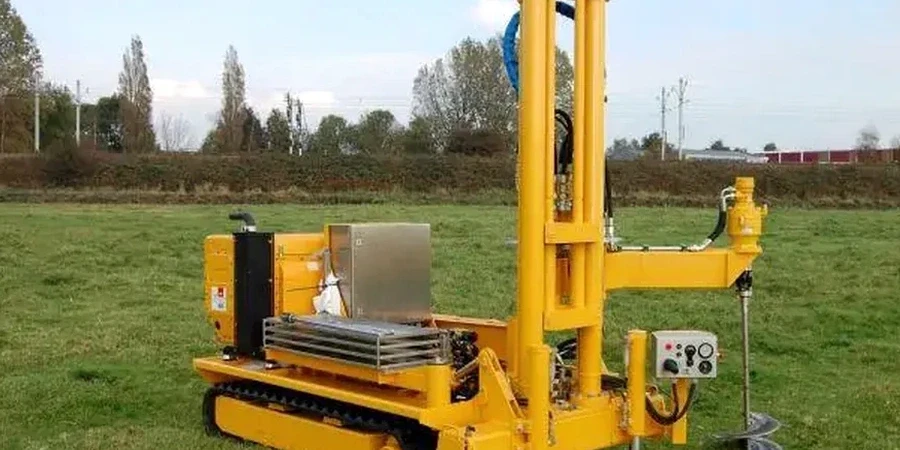
Sheffield's underlying geology is dominated by Carboniferous sandstones, shales, and mudstones of the Millstone Grit and Coal Measures series, often mantled by variable thicknesses of glacial till, head deposits, and made ground from the city's long industrial past. Steep natural slopes and former quarries, colliery spoil, and historic landfill sites create highly variable bearing conditions across relatively short distances. This variability means that a desk study alone is rarely sufficient; targeted ground investigation and in-situ testing are essential inputs to any robust roadway design. Understanding the shrink-swell potential of underlying clays, the presence of old mine workings, and the risk of soft spots in made ground directly shapes decisions on subgrade treatment, capping layer thickness, and pavement composition.
Design and construction of road pavements in the UK must comply with the Design Manual for Roads and Bridges, particularly the CD 225 and CD 226 documents covering foundation and pavement design, alongside the Specification for Highway Works. Local authorities in South Yorkshire, including Sheffield City Council, typically adopt these national standards through their own highway adoption agreements, often adding supplementary clauses on material provenance, recycled content, and long-term skid resistance. For commercial and residential developments, Section 38 and Section 278 agreements under the Highways Act 1980 govern the design approval and eventual adoption of new estate roads, making early engagement with both the adopting authority and a geotechnical specialist critical to avoiding costly redesign.
Projects that demand this expertise range from major highway dualling and junction improvements on the Sheffield Parkway and A61 corridors, to residential estate roads on challenging brownfield sites in the Lower Don Valley, and industrial access roads serving advanced manufacturing parks. A thorough CBR study for road design is typically the starting point, quantifying subgrade strength and informing the need for stabilisation or replacement. This data feeds directly into flexible pavement design, where bituminous bound layers are engineered to distribute traffic loads to the subgrade without excessive deformation. The same principles apply to car parks, bus lanes, and cycleways, though with different traffic loading assumptions and material specifications reflecting their intended use and design life.
The main risks include highly variable made ground from historic mining and industry, compressible alluvium in river valleys, shrink-swell clay behaviour in the Coal Measures, and slope instability on the city's steep hillsides. Old mine workings and unrecorded fill can cause differential settlement, making thorough ground investigation essential before any pavement design begins.
The Design Manual for Roads and Bridges, specifically CD 225 for foundation design and CD 226 for pavement design, provides the mandatory framework for trunk roads. Local highway authorities in Sheffield adopt these standards and supplement them with their own specifications, particularly for adoptable estate roads under Section 38 agreements.
Subgrade strength is typically quantified through the California Bearing Ratio test, either in the laboratory on undisturbed or remoulded samples or in the field using a dynamic cone penetrometer. The resulting CBR value directly determines the required pavement thickness and whether subgrade improvement or capping layers are necessary.
Flexible pavements distribute traffic loads through a series of bituminous and granular layers to the subgrade, relying on aggregate interlock and load-spreading stiffness. Rigid pavements use a concrete slab with high flexural strength to bridge minor subgrade weaknesses. Flexible construction is more common for UK local roads due to lower initial cost and ease of phased maintenance.
We serve projects across Sheffield and its metropolitan area.